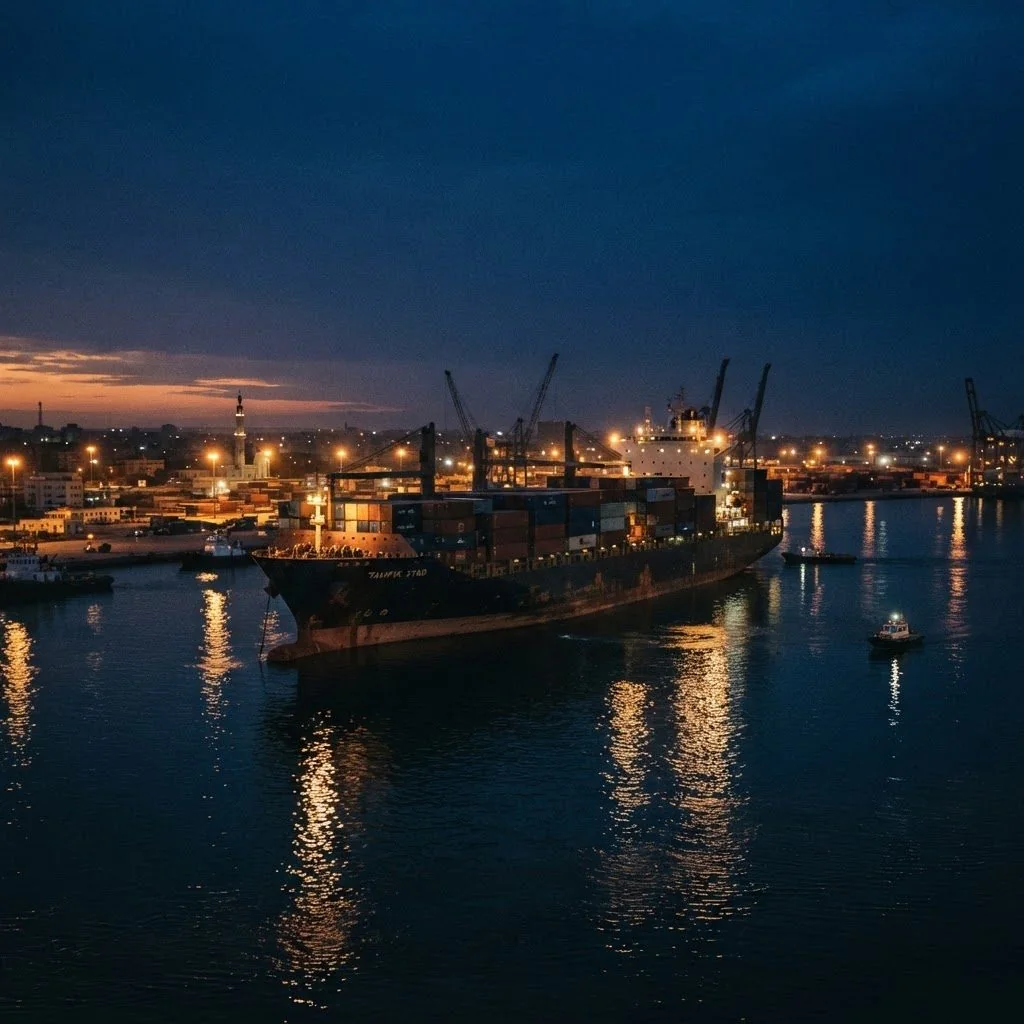
Ship Arrest in Egypt: A Practical Guide
Prepared by the Maritime & Admiralty Team at Soliman Advocates
This article has been prepared by the firm's maritime lawyers as part of Soliman Advocates' Maritime Legal Insights series, drawing on the team's experience in Egyptian maritime law and shipping disputes.
Egypt sits on one of the world’s busiest shipping lanes, and its courts deal with vessel arrests on a routine basis. Arrest is governed by the 1952 Brussels Convention on the Arrest of Sea-Going Ships together with the Egyptian Maritime Trade Law No. 8 of 1990, Articles 59–66. Together they define which claims qualify as maritime debts and how conservatory arrest is obtained.
The application is filed before the competent court of the port where the vessel is located. The claimant must show that the debt is due and that it qualifies as a maritime debt, supported by a notarized power of attorney and the debt documents accompanied by an Arabic translation. Prepared correctly, an arrest order can be granted within hours of the vessel’s arrival.
A feature that makes Egypt attractive for claimants: the court does not require a counter-security from the arresting party, whether Egyptian or foreign. This lowers the barrier for suppliers, agents, yards and cargo interests seeking leverage for payment or security.
Timing is everything. A vessel that sails before the order is issued may not return for months. We monitor vessel movements, prepare papers before arrival, and file the moment the vessel is within jurisdiction — in Suez, Port Said, Alexandria and Damietta.
Legal Disclaimer
This article provides a general overview and does not constitute legal advice. Ship arrest procedures, requirements, defenses, and consequences depend on Egyptian maritime law, specific facts, supporting evidence, court procedures, and timing. Urgent legal advice should be obtained before arresting a vessel or defending against arrest proceedings.
Facing a live maritime matter?
Our team is available 24/7 for urgent ship arrest and time-critical applications in all Egyptian ports.