Marine Pollution Liability in Egypt: What Shipowners and Fisheries Face
Prepared by the Maritime & Admiralty Team at Soliman Advocates
This article has been prepared by the firm's maritime lawyers as part of Soliman Advocates' Maritime Legal Insights series, drawing on the team's experience in Egyptian maritime law and shipping disputes.
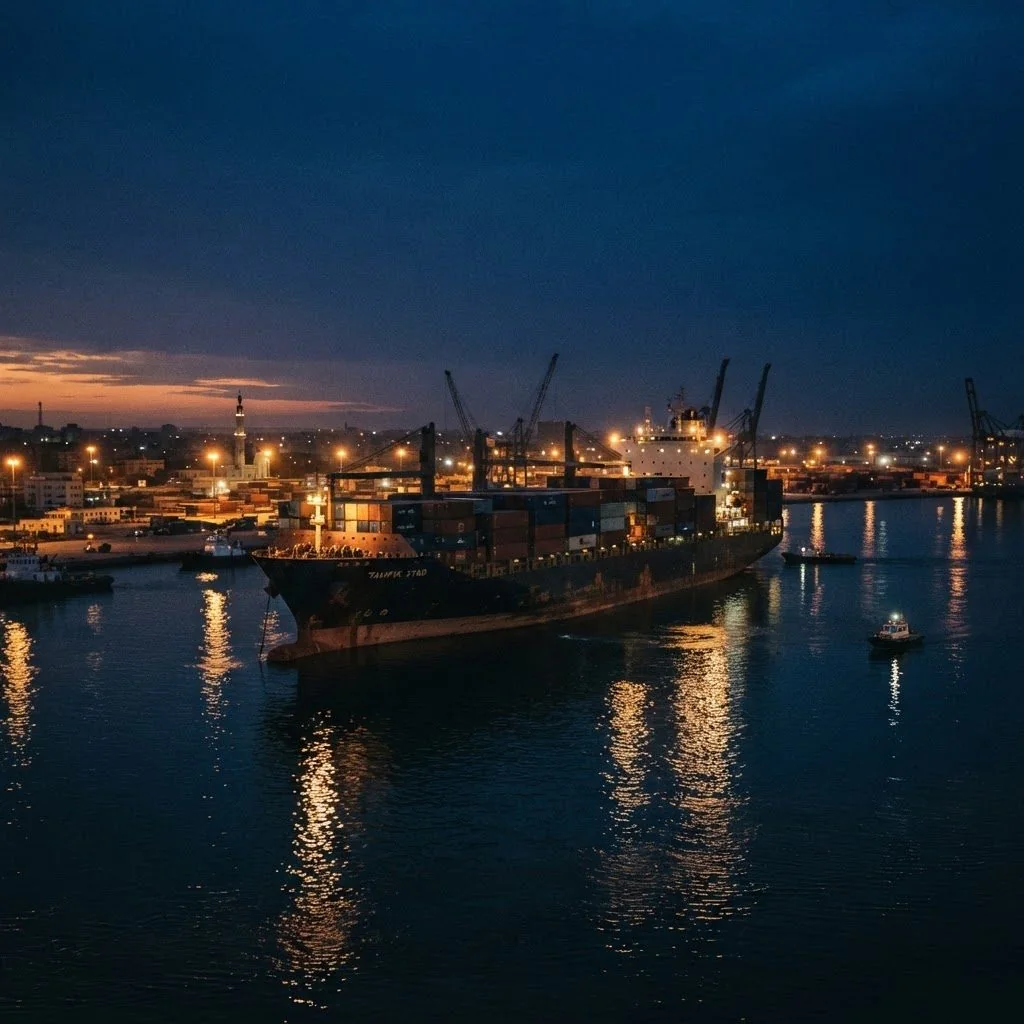
Egypt’s position along the Suez Canal, the Red Sea and the Mediterranean means a large share of world shipping passes close to fishing grounds and fish-farming lakes that thousands of Egyptian families depend on. When a vessel discharges oil or other pollutants, Egyptian law exposes the responsible party to both regulatory enforcement and civil claims from those whose livelihoods are damaged.
For shipowners, exposure starts with the relevant port and environmental authorities, who can detain a vessel and open an investigation before any civil claim is filed. Managing that regulatory track well — engaging early, documenting the incident, coordinating with P&I cover — often determines how quickly a vessel is released and how the civil exposure is eventually resolved.
For fishing cooperatives and fish-farming associations on the other side of a spill, the practical challenge is different: proving the damage, valuing the loss to a shared resource, and pursuing compensation as a collective rather than as individual claimants. We have represented cooperatives in exactly this position, including fish-farming communities affected by a 2006 tanker spill in the Suez Canal, coordinating with the General Authority for Fish Wealth Development to secure and distribute compensation.
Nearly two decades of work on both sides of these disputes — defending shipowners and representing fishing communities — is what lets us move quickly once a spill happens, on regulatory strategy, valuation, or both.
Legal Disclaimer
This article provides a general overview and does not constitute legal advice. The application of legal principles depends on specific facts, applicable law, and circumstances of each case. Professional legal advice should be obtained before taking action.
Facing a live maritime matter?
Our team is available 24/7 for urgent ship arrest and time-critical applications in all Egyptian ports.