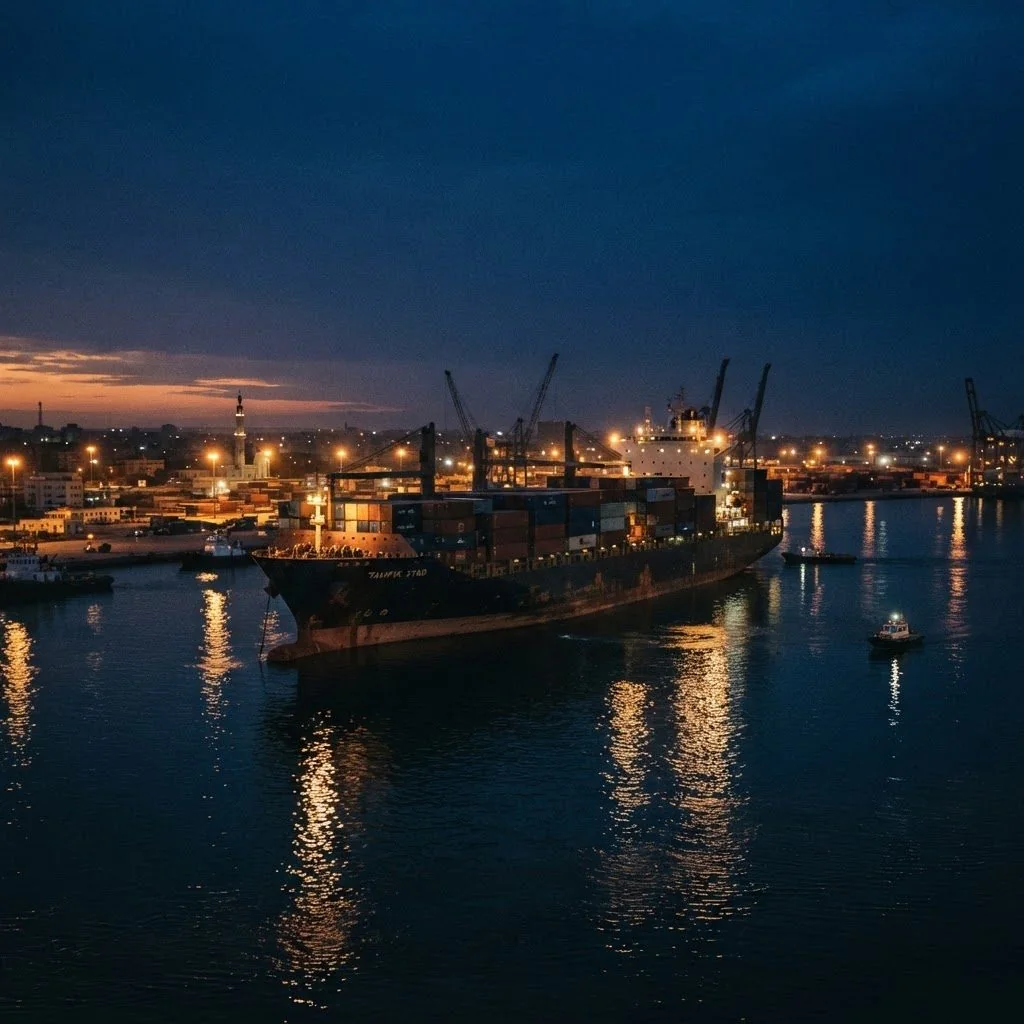
Unpaid Bunkers: Arresting for Marine Fuel Claims in Egypt
Prepared by the Maritime & Admiralty Team at Soliman Advocates
This article has been prepared by the firm's maritime lawyers as part of Soliman Advocates' Maritime Legal Insights series, drawing on the team's experience in Egyptian maritime law and shipping disputes.
Claims for bunkers supplied to a vessel are recognized maritime debts under Egyptian law and the 1952 Brussels Convention, making them a solid foundation for arrest. For suppliers, arrest is often the only effective leverage once a vessel has sailed and invoices remain unpaid.
The file should establish the supply and its terms: the bunker confirmation, delivery note signed on board, invoices, and the contractual chain. Where fuel was ordered by a charterer rather than the owner, the analysis of who is liable — and which vessel may be arrested — requires particular care.
Physical suppliers and contractual traders do not always share the same position. We assess each claim’s arrestability honestly before filing, because a well-founded application obtains an order in hours, while a weak one wastes the only window the vessel’s call provides.
With offices at Port Tawfik on the Suez Canal, we receive instructions around the clock and routinely file urgent bunker arrest applications in Suez, Port Said, Alexandria and Damietta before the vessel completes her transit or discharge.
Legal Disclaimer
This article provides a general overview and does not constitute legal advice. The application of legal principles depends on specific facts, applicable law, and circumstances of each case. Professional legal advice should be obtained before taking action.
Facing a live maritime matter?
Our team is available 24/7 for urgent ship arrest and time-critical applications in all Egyptian ports.
Related Insights
Your Chocolate or Confectionery Shipment Melted at Sea. How Do You Prove Who Is Responsible?
Cargo ClaimsHow Much Can You Recover for a Damaged Chocolate or Confectionery Shipment? Understanding the Carrier's Limitation of Liability
Cargo ClaimsYour Container Arrived at a Different Port. What Should You Do?